While this simple question has rattled around in my head for years it recently thrust itself into the forefront of my consideration. I have come to the conclusion that I don’t really know, but to paraphrase United States Supreme Court Justice Potter Stewart “I know it when I see it”
In designing the 3D printed base for my Capacitive Touch Playground I knew I wanted to mount the Circuit Playground Express on the same board. While I love designing in Fusion 360 I found myself bitten by the “Lazy Coders” bug and sought to save myself a bit of time by potentially remixing another model. I had some simple requirements: 1) a secure mount for the Circuit Playground, 2) easy unobstructed access to the board and all it’s features, and 3) a small form factor that wasn’t in the way. My intent was to find something close and modify it in mesh mixer to meet my needs.
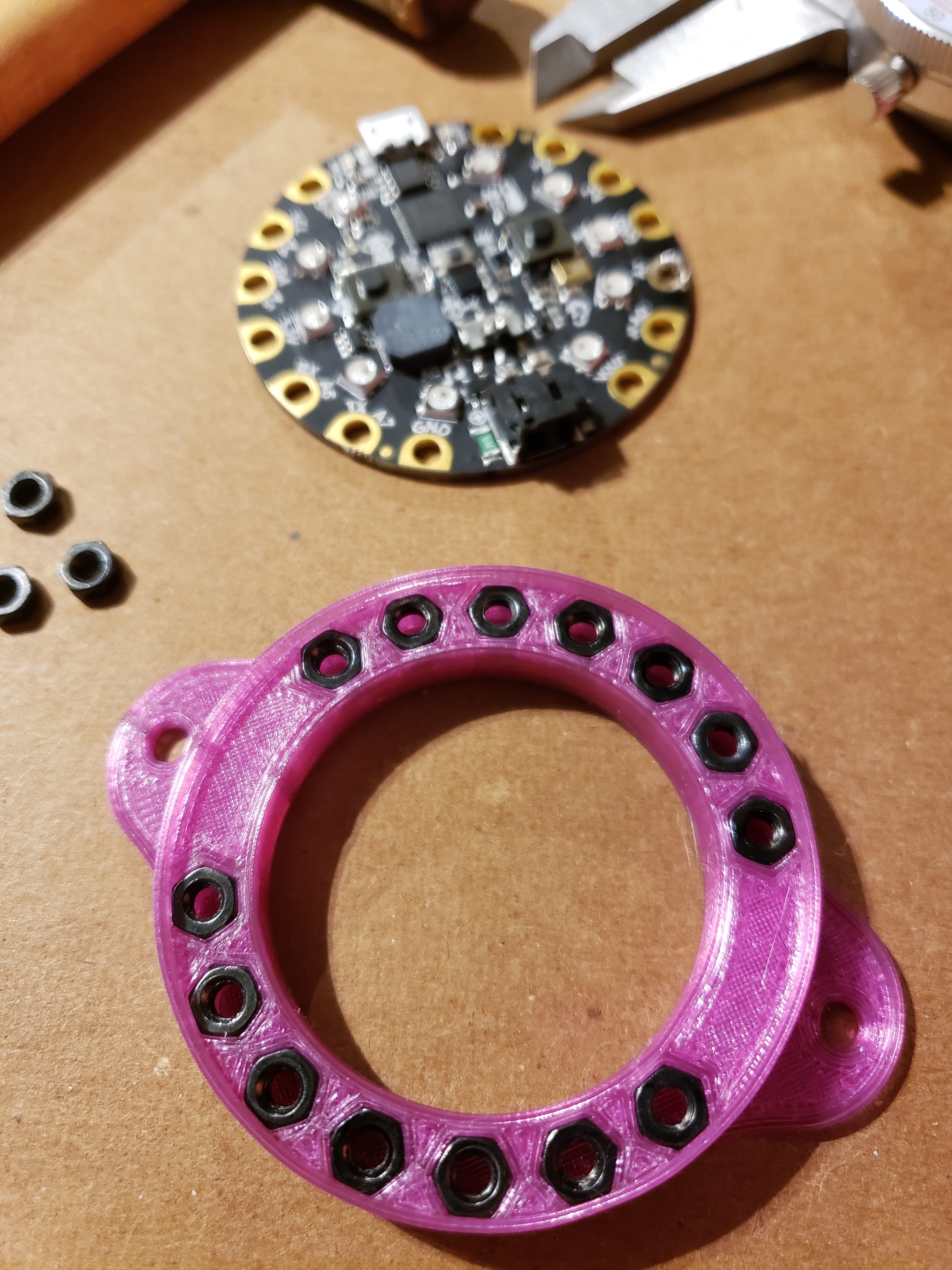
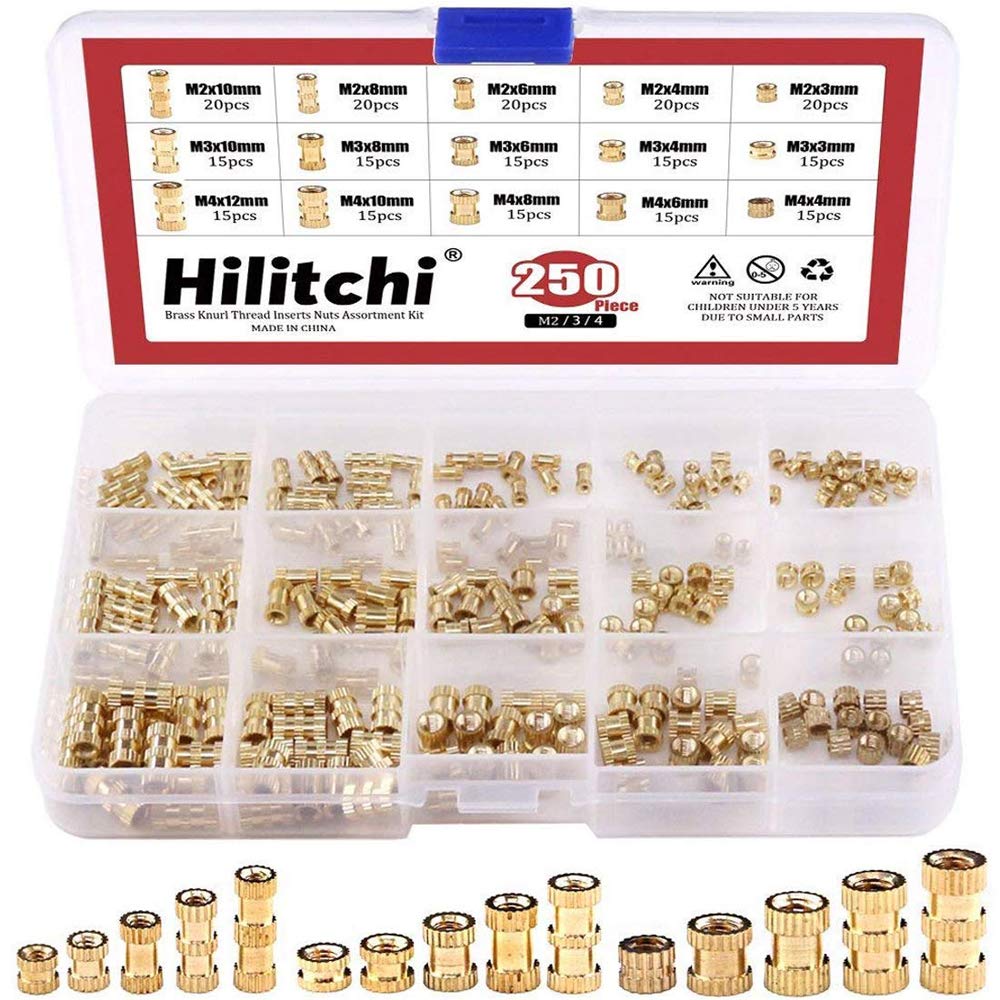
What I found was the simple and elegant model by Vladimir Mariano and it appeared to check all my boxes. I printed it out and as soon as I dropped in the Circuit Playground I knew I was looking at a design that, for my needs, I could not beat. It was secure, it cleverly used 3mm bolts and nuts to both simultaneously lock down the board and provide access to the functions, and it’s foot print was extremely small. The tolerances where perfect, the nuts tapped in with the perfect force and none of features where blocked. Functionality it was EXACTLY what I needed.
That’s not the end of the story however. Looking at the model on my bench I was taken both by its elegance of design as well as the design decisions that were made, many of which I would NOT have made had I designed it from scratch.
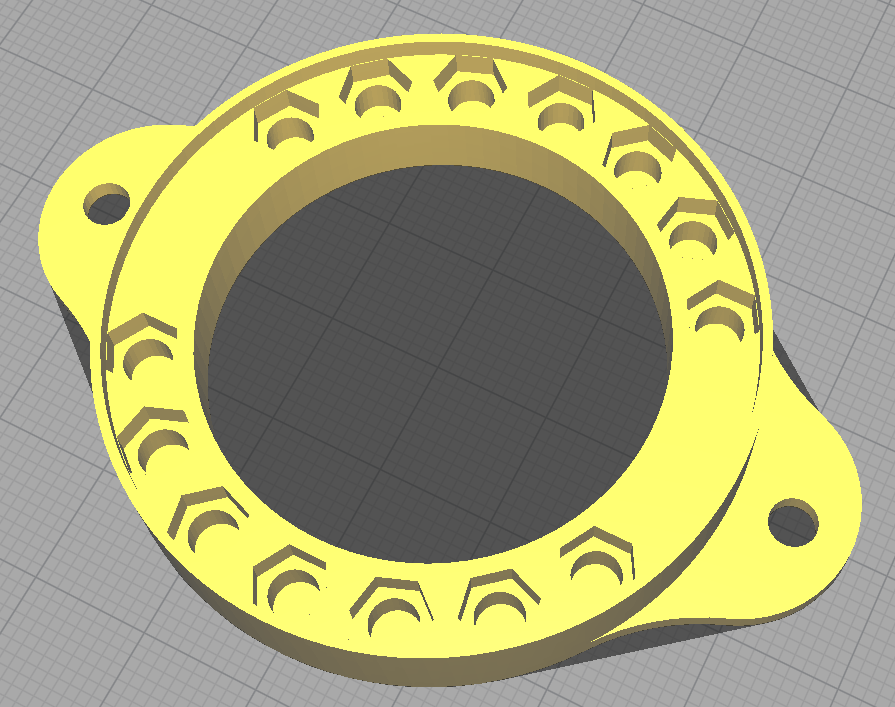
The curves and proportions of the model all complement each other in a very pleasing way. That radius where the mounting tangs intersect with the circular body on the horizontal plane is perfect, and I know from experience it is very easy to not get that quite right. The fact that there is NOT a fillet were that tangs intersect the vertical plane is so very pleasing. I would have, without really thinking, added a substantial fillet there and that addition would have detracted from the design as a whole. The overall height of the model is larger than I would have designed and the diameter less, but again I would have been wrong. While the sum of my changes would not have altered the functionality of the model, the elegance of the design would have been reduced.
Vladimir’s design is, for my needs, perfect and while I still can’t define what “Good design is” I know that I have seen it and, though careful study, am starting to understand some of the factors.
 DPL Gear